Fluoride in Dentistry
What is fluoride?
Fluoride is a mineral found in all, natural water sources. It is the ionic form of the element fluorine, that is found in the environment, and reaches water sources by leaching from soil and rocks into groundwater. [10]
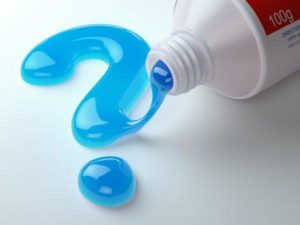
Fluoride is a safe and effective mineral which prevents and controls dental caries, when used according to the guidelines of community water fluoridation programs. [2, 3] Dental caries is a localised destruction of enamel by the acids produced by the harmful bacteria colonising the oral cavity by the process of demineralisation. [1, 3]
Fluorides can be administered topically and systemically. [3, 10]
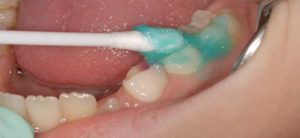
Topical fluorides fortify teeth already present in the mouth by making them decay resistant. [1, 3, 4] It also reduces the growth of plaque bacteria and inhibit bacterial metabolism. [10] Topical fluoride can be delivered as an in-office fluoride varnishes and gels treatments, toothpastes, and mouth rinses. [10]
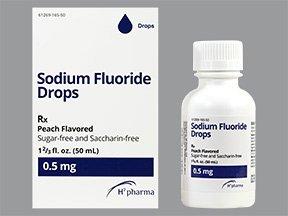
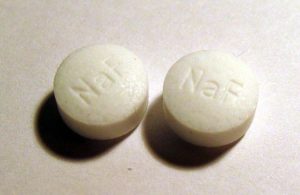
Systemic fluorides are ingested orally and strengthens developing tooth structures. [1, 10] Fluorides also gets incorporated in saliva when taken systemically. Saliva continually bathes the teeth offering topical protection from bacterial attacks. [10] Systemic fluorides can be delivered through community water fluoridation, and or dietary fluoride supplement in the form of drops, tablets or lozenges. [2]
How does fluoride work?
Fluoride concentrates in the developing teeth and bones of children, making the enamel of the teeth stronger before they emerge in the oral cavity. It also helps to harden the enamel of the already erupted teeth. It helps to remineralize the teeth to arrest tooth decay and makes teeth more resistant to tooth decay.
Demineralization and remineralization process occur constantly in the mouth. When fluoride is present in the saliva it helps to make the enamel stronger and prevent dissolution of enamel during the next demineralization phase. [12]
How does fluoride strengthen your teeth?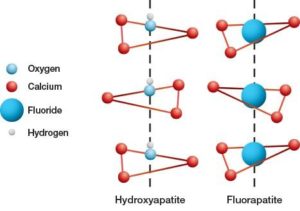
When the fluoride comes in contact with the teeth, it is absorbed into the enamel and helps to repair it by replenishing the lost calcium and phosphorous. Fluoride binds with the calcium hydroxyapatite structure in enamel and forms a stronger calcium fluorapatite structure by the process of remineralization. [10] This remineralization process can reverse early decay and make the enamel more resistant to decay. [1]
How much fluoride is in a toothpaste? 
The amount of fluoride a fluoride toothpaste contains should be mentioned on the toothpaste tube and appears after the label “Active ingredient” or as an element under “Ingredients”. Most manufacturers give the fluoride content in ‘parts per million fluoride’ (ppm F). Very few use percent of volume (%w/v) or weight (%w/w).
The European Union (EU) Directives regulating cosmetic products banned the marketing of cosmetic products with over-the-counter levels of fluoride greater than 1,500 ppm F. The EU Directive 76/768/EEC has classified toothpastes as cosmetic products; therefore, most toothpastes contains 1,000 – 1,500 ppm F.
Fluoride toothpastes containing more than 1,500 ppm F, e.g. 2,800 ppm F, are available but can be obtained only with a prescription. They are required for therapeutic reasons, because higher the fluoride content, the more effective the toothpaste is at preventing tooth decay.

Some manufacturers market low fluoride toothpastes containing 600 ppm F. It may also be known as “children’s” or “pediatric” toothpastes. This is because infants and children below the age of two swallow most of the toothpaste when brushing. Therefore, the use of toothpastes containing 1,000-1,500 ppm F in children could cause fluorosis of the permanent incisors. Enamel fluorosis is a condition causes by excessive fluoride intake and vary from white spots to yellow/ brown discoloration of the enamel. Studies supporting the effectiveness of low fluoride toothpastes has not been established but many systematic reviews have shown that toothpastes with low fluoride concentration of 250 ppm F are less effective than toothpastes with standard 1,000 -1,500 ppm F at preventing caries. [5]
What is fluorosis?
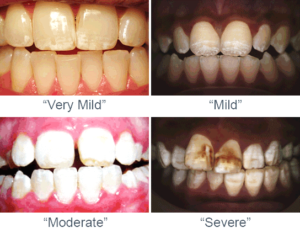
Fluoride ingestion during tooth development may result in fluorosis. Fluorosis of permanent teeth occurs when excessive fluoride is ingested for adequate period during which the enamel is being mineralized. [4] If the fluoride is ingested excessively between the ages 15 and 30 months, it may lead to fluorosis of the maxillary central incisors. [8] Erupted teeth cannot develop enamel fluorosis. [4]
Fluorosis varies in appearance from minor white spots and striations to yellow/ brown stained pitting of enamel. [8] Children below the age of two should use just a smear of toothpaste and children above the age of two and below the age of six should use pea size amount of toothpaste.
Excess fluoride ingestion and exposure can be minimised by using recommended amount of toothpaste and storing the toothpaste out of the reach of children. [4] Parents should supervise their child’s use of fluoride toothpaste to avoid overuse and ingestion. [4]
What are the benefits and drawbacks of fluoride?
- Benefits: Fluoride is effective for:
- Dental caries: promotes remineralisation and strengthens enamel.
- Dental plaque and Gingivitis: Some research have shown that using fluoride toothpaste in the form of stannous fluoride may reduce the amount of plaque build-up on teeth, and bleeding and swelling of the gums. [9, 13]
- Drawbacks:
- Dental fluorosis.
- Skeletal fluorosis: Excess exposure to fluoride can cause the bones to become hardened and less elastic, increasing the risk of fractures. [7]
- Neurological problems: Studies have suggested that excessive exposure to fluoride before birth could lead to cognitive impairment in the future. [6]
- Acute fluoride toxicity can cause:
- Nausea
- Vomiting
- Gastric pain
- Muscular spasm
Is it true what the general population thinks of fluoride?
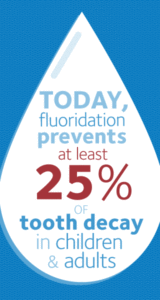
It has been scientifically concluded that fluoride toothpaste in recommended doses and properly fluoridated water, salt, milk is of great benefit to dental health, and helps reduce dental caries without causing harmful side effects to the health of the person.
The drawback mentioned are only due to excessive fluoride intake over a long period of time which is almost always due to self-medication or taking doses higher than prescribed.
Worldwide, over 300 million people drink fluoridated water supplies. Many millions more use fluoride toothpastes regularly. In the USA for example, well over half of the population have fluoridated water supplies. This has led to improved levels of dental health which in turn benefits general health. [11]
References:
- Adair, S. M. (2008). Evidence-based use of fluoride in contemporary pediatric dental practice. Journal of Pediatric Dentistry, 28(2), 133–42.
- Centers for Disease Control and Prevention. (n.d.). Other Fluoride Products. U.S. Department of Health and Human Services. Accessed February 21, 2020.
- Centers for Disease Control and Prevention. (2001). Recommendations for using fluoride to prevent and control dental caries in the United States. MMWR Recommendations and Reports, 50(Rr-14), 1–42.
- Clark, M. B., & Slayton, R. L. (2014). Fluoride use in caries prevention in the primary care setting. Pediatrics, 134(3), 626–33. doi: 10.1542/peds.2014-1699.
- Dental Health Foundation Ireland. (2015, November 10). Fluoride Toothpastes. Retrieved February 22, 2020, from https://www.dentalhealth.ie/dentalhealth/teeth/fluoridetoothpastes.html.
- Grandjean, P. (2019). Developmental fluoride neurotoxicity: an updated review. Environmental Health, 18(1). doi: 10.1186/s12940-019-0551-x.
- Krishnamachari, K. A. (1986). Skeletal fluorosis in humans: a review of recent progress in the understanding of the disease. Progress in Food & Nutrition Science, 10(3-4), 279–314.
- Levy, S. M. (2003). An update on fluorides and fluorosis. Journal of the Canadian Dental Association, 69(5), 286–91.
- Mallatt, M., Mankodi, S., Bauroth, K., Bsoul, S. A., Bartizek, R. D., & He, T. (2007). A controlled 6-month clinical trial to study the effects of a stannous fluoride dentifrice on gingivitis. Journal of Clinical Periodontology, 34(9), 762–767. doi: 10.1111/j.1600-051x.2007.01109.x.
- McGrady, M. G., Ellwood, R. P., & Pretty, I. A. (2010). Why fluoride? Dental Update, 37(9), 595–8-601–2. doi: 10.12968/denu.2010.37.9.595.
- Oral Health Foundation. (n.d.). Fluoride. Retrieved from https://www.dentalhealth.org/fluoride.
- What is Fluoride, Dental Fluoride: Colgate® Oral Care. (n.d.). Retrieved February 21, 2020, from https://www.colgate.com/en-us/oral-health/basics/fluoride/what-is-fluoride.
- White, D. J. (2007). Effect of a stannous fluoride dentifrice on plaque formation and removal: a digital plaque imaging study. The Journal of Clinical Dentistry, 18(1), 21–4.